When to Call an Emergency Dentist for Severe Toothache

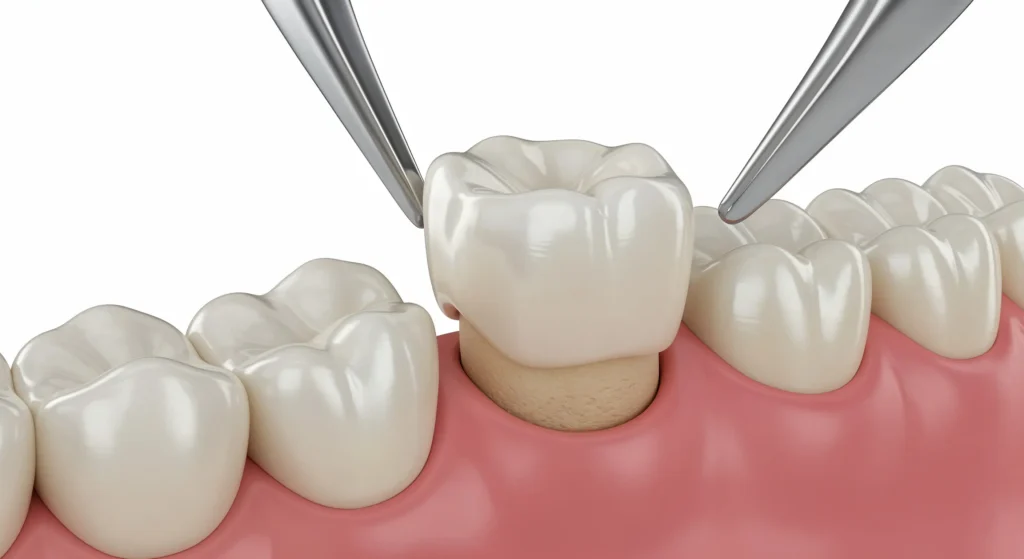

A severe toothache has a way of shrinking your world. People who have never had one often imagine a bad cavity and a rough night’s sleep. In practice, it can be far more disruptive than that. I have seen adults who can manage back pain, migraines, even the recovery from surgery, come undone by a throbbing molar that will not let up. Tooth pain can radiate into the jaw, ear, temple, and neck. It can wake you every hour. It can make eating impossible and concentration useless.
The hard part is that not every toothache is a true emergency, but some absolutely are. The challenge for patients is knowing where that line sits. Wait too long, and a treatable dental problem can become an infection, a swelling, or a much larger and more expensive procedure. Rush to the wrong place, and you may spend hours in discomfort only to be told to follow up with a dental office the next morning.
Knowing when to call an Emergency Dentist starts with understanding what severe toothache usually signals, what warning signs demand urgent care, and what you can safely do in the meantime.
Not all severe toothaches mean the same thing
Tooth pain is a symptom, not a diagnosis. That distinction matters. A sharp jab when you sip something cold points in a different direction than a dull, relentless ache that worsens when you lie down. The body is giving clues, and the pattern often hints at the underlying issue.
In many cases, severe toothache comes from inflammation inside the tooth. The pulp, which contains nerves and blood vessels, can become irritated by decay, a cracked tooth, a failing filling, trauma, or infection. Early on, the pain may come and go. Once the pulp becomes badly inflamed or infected, the pain often turns constant, deep, and difficult to localize. Patients will sometimes say, “I know it is on the left side, but I cannot tell which tooth.”
Gum-related problems can also cause severe pain. A gum abscess, food impaction between teeth, or advanced periodontal disease can create tenderness, pressure, and swelling that feels very much like a tooth problem. So can an erupting wisdom tooth, especially if the surrounding gum tissue becomes inflamed or infected.
Then there are the less obvious causes. Sinus pressure can mimic upper molar pain. Teeth grinding can leave the jaw sore and several teeth sensitive. A cracked tooth may only hurt when you bite and release. These cases may still need prompt evaluation, but they do not all carry the same urgency.
What makes a toothache an emergency is not just the intensity of the pain. It is the combination of pain with swelling, fever, drainage, trauma, bleeding, or signs that the infection is spreading.
The signs that should move you from waiting to calling now
Pain alone deserves attention if it is severe, but certain symptoms should shorten your decision time considerably. They suggest a higher risk of infection, nerve involvement, or structural damage that can worsen quickly.
Here are the clearest reasons to contact an Emergency Dentist without delay:
- https://www.google.com/maps?cid=13657646669204741892
- Severe tooth pain that lasts for hours, especially if it is throbbing, constant, or keeps you from sleeping.
- Swelling in the gums, face, or jaw, even if the swelling seems mild at first.
- Fever, a bad taste in the mouth, or pus drainage near the tooth, which can point to infection.
- Pain after trauma, such as a blow to the mouth, a cracked tooth, or a tooth that feels loose or displaced.
- Difficulty swallowing, trouble opening your mouth, or any sense that swelling is affecting breathing, which needs immediate emergency medical attention.
That last point is the one people most often underestimate. A dental infection is not automatically life-threatening, but if swelling spreads into deeper facial spaces, especially under the jaw or toward the throat, it can become dangerous. If breathing or swallowing is involved, a hospital emergency department is more appropriate than waiting for a dental office to open.
When severe pain can usually wait a short time
There are situations where the pain is real and needs treatment, but not necessarily in the middle of the night. For example, short bursts of sensitivity to cold that stop quickly after the trigger is removed may indicate exposed dentin, early decay, or gum recession. A lost filling that leaves a tooth sensitive but not swollen often needs prompt repair, though it may not be an after-hours emergency unless the pain is intense.
A cracked tooth can be tricky. Some cracks create sharp pain when chewing but no swelling. That may allow for a next-day appointment rather than immediate emergency care. On the other hand, if the crack exposes the nerve, causes severe pain, or comes with visible breakage and bleeding, it becomes more urgent.
Wisdom tooth pain often falls into a gray zone. If the gum behind the molar is irritated, tender, and mildly swollen, a timely dental visit is wise. If there is facial swelling, foul-tasting drainage, fever, or difficulty opening the mouth, that is a stronger argument for urgent treatment.
Judgment matters here. If the pain is escalating, over-the-counter medication barely touches it, or the area is changing hour by hour, it is safer to assume you need prompt evaluation.
What an abscess feels like, and why it matters
Among the most important reasons to call an Emergency Dentist is the possibility of a dental abscess. People often use the word loosely, but a true abscess means infection with a collection of pus. It may start inside the tooth or in the supporting gum tissue. Either way, it rarely improves on its own.
The classic picture is throbbing pain, tenderness when biting, swelling of the gum, and sometimes a small pimple-like bump near the tooth. Some people notice a sudden foul taste and then temporary pain relief after the area drains. That can create a false sense that the problem has resolved. It has not. Drainage may lower pressure for a while, but the source of the infection remains.
I have seen patients delay because the pain briefly faded after drainage, only to return days later with more swelling and far more difficult treatment. Once infection is established, the goal is not simply to quiet the pain. The goal is to remove the infected tissue or drain the area properly, then restore or extract the tooth depending on the situation.
Antibiotics may be part of the plan, but they are not the whole solution. If the source is an infected pulp or an enclosed abscess, medication alone often cannot fully clear it. Definitive treatment, such as root canal therapy, drainage, or extraction, is usually required.
Pain that wakes you up is a useful clue
One detail dentists pay close attention to is whether the pain interrupts sleep or becomes worse when you lie down. Increased blood flow to the head in a reclined position can intensify pressure in an inflamed tooth. Patients often describe pacing the room at 2 a.m., unable to find a comfortable position, holding cold water in the mouth because it gives temporary relief.
That pattern strongly suggests significant pulpal inflammation, sometimes the stage just before the nerve tissue starts dying. Oddly, some teeth become exquisitely sensitive to heat yet feel better with cold. Others throb with any temperature change. Either way, these are not symptoms to sit on for a week.
Even if there is no visible swelling yet, severe spontaneous pain, especially pain that wakes you from sleep, is reason enough to call.
Swelling changes the urgency
A painful tooth with no swelling is often urgent. A painful tooth with swelling is more concerning.
Swelling can begin in the gum right next to the tooth or spread outward into the cheek or jaw. Sometimes it is subtle at first. A patient notices the bite feels “off,” the gum looks puffy, or one side of the face seems a little fuller in the mirror. Six or eight hours later, the difference can be dramatic.
Facial swelling suggests the body is reacting to infection or inflammation outside the confines of the tooth itself. That is why swelling earns faster attention than pain alone. The location matters too. Swelling near the lower back teeth deserves caution because infections in that region can spread into deeper spaces more readily than people realize.
If a child has swelling from a toothache, parents should treat that as time-sensitive. Children can deteriorate faster, and what looks minor in the morning can become a much more difficult day by afternoon.
Trauma is its own category
A severe toothache after injury deserves a different lens. A fall, sports hit, car accident, or even biting something unexpectedly hard can damage a tooth in ways that are not obvious from the outside. The crown may look intact while the root is cracked or the nerve is bruised. A tooth that becomes loose, changes position, or bleeds around the gum line should be evaluated quickly.
Knocked-out permanent teeth are among the clearest dental emergencies. The odds of saving the tooth are best if it is replanted very quickly, ideally within 30 to 60 minutes. Baby teeth are different and generally should not be reinserted, because doing so can harm the developing permanent tooth underneath.
A chipped tooth without pain may wait a bit. A fractured tooth with severe pain, exposed yellow or pink inner structure, or jagged edges cutting the tongue should not.
What to do before you are seen
While you are arranging care, there are sensible ways to reduce pain and lower the chance of making things worse. Home measures are not treatment, but they can buy time safely.
Use this short approach while waiting for your appointment:
- Rinse gently with warm salt water to clear debris and soothe irritated tissue.
- Take over-the-counter pain relievers as directed on the label, if you normally can take them safely.
- Apply a cold compress to the outside of the face for swelling, about 15 minutes on and 15 minutes off.
- Avoid very hot, very cold, sugary, or hard foods, and chew on the opposite side.
- Keep your head elevated, especially if the pain worsens when lying flat.
A few cautions are worth stating plainly. Do not place aspirin directly on the gum or tooth. People still try this, and it can burn the tissue without helping the source of pain. Do not start leftover antibiotics from a previous illness. The wrong antibiotic, the wrong dose, or a partially completed course can muddy the picture and contribute to resistance. And do not ignore sudden relief if it comes after intense pain. Sometimes a dying nerve stops signaling, but the infection remains.
What an Emergency Dentist can actually do
Some patients hesitate to call because they assume an after-hours dental visit will amount to little more than a prescription and a referral. That is not always the case. A true Emergency Dentist is equipped to diagnose the source of acute dental pain and, in many situations, provide definitive treatment on the spot.
That may include taking targeted X-rays, draining an abscess, opening the tooth to relieve pressure, stabilizing a broken tooth, recementing a crown, smoothing a sharp fracture, performing an emergency extraction, or beginning root canal treatment. Not every case can be completed in one visit, particularly if swelling is severe or the anatomy is complicated, but meaningful relief is often possible the same day.
The value of prompt care is not just comfort. It can preserve options. A cracked tooth treated early may be restored. The same tooth, if ignored until the fracture deepens below the gum line, may become non-restorable. A localized infection caught early may need simple treatment. A delayed infection may require more extensive drainage, antibiotics, and missed work.
A few edge cases that confuse people
There are situations where the right call is not obvious, and they come up often.
A crown falls off on a Friday evening. If the underlying tooth is not painful and there is no swelling, it usually can wait until normal office hours, though the tooth should be kept clean and the crown saved. If the tooth is extremely sensitive, visibly broken, or the lost crown leaves sharp edges, an urgent visit makes more sense.
A person with a history of sinus infections gets pressure in the upper molars and cheek. If multiple upper back teeth ache together, the pain changes with head position, and there is nasal congestion, sinus involvement is possible. Still, if one tooth is sharply tender to biting or the pain lingers for days, a dental source needs to be ruled out.
Someone is pregnant and develops a severe toothache. Dental infections during pregnancy should not be brushed aside. Many patients delay out of fear that treatment is unsafe. In reality, untreated infection often poses a greater risk than appropriate dental care. A dentist can tailor imaging, medication, and treatment to the stage of pregnancy.
A patient on immune-suppressing medication or with poorly controlled diabetes has swelling from a toothache. In those cases, the threshold for urgent care should be lower. Infections can progress faster and heal more slowly, so what might be a next-day problem for one person can become a same-day issue for another.
Why emergency rooms are not always the best fit
A hospital emergency department has an important role when symptoms spill beyond dentistry, especially trouble breathing, trouble swallowing, high fever, spreading facial swelling, or major trauma. But for a severe toothache without those red flags, the emergency room is often a stopgap rather than a solution.
ER clinicians can help with pain control, evaluate for dangerous spread of infection, and prescribe antibiotics when appropriate. What they usually cannot do is remove the infected pulp, drain a dental abscess in a definitive way, or restore a fractured tooth. Patients may leave with temporary relief and still need an Emergency Dentist as soon as possible.
That is why the smartest first call for most isolated severe toothaches is a dental office that handles emergencies. The setting is built for the problem.
How to decide if you should call tonight or first thing in the morning
When patients ask for a simple rule, I usually phrase it this way: if the pain is severe enough that you cannot function, cannot sleep, or cannot control it with routine measures, call. If there is swelling, fever, drainage, trauma, or a tooth that is loose or broken, call sooner. If there is any concern about breathing or swallowing, skip the debate and seek immediate medical care.
That approach is not dramatic. It is practical. Toothaches have a reputation for being miserable but not serious. Sometimes that is true. Other times, they are the early warning for a problem that does not respect weekends, travel plans, or your work schedule.
The common mistake is waiting for visible swelling or hoping the pain means nothing more than “a sensitive tooth.” Severe dental pain is the body’s way of demanding attention. You do not need to diagnose it perfectly at home. You only need to recognize when it has crossed from inconvenient to urgent.
The cost of waiting is usually higher than the cost of calling
Many people hesitate because of time, expense, or uncertainty about whether they are overreacting. That is understandable. Yet delayed dental care has a way of becoming more expensive in every sense. A tooth that might have been saved with timely treatment can become an extraction. An infection that might have stayed local can spread. A sleepless night can become several. A small fracture can split into a major one during one careless bite on the wrong side.
Even when the final diagnosis turns out to be less serious than feared, getting clarity has value. It lets you stop guessing, stop cycling through pain remedies, and start the right treatment.
If you are dealing with severe toothache, the safest mindset is simple: respect the symptom. Call an Emergency Dentist when the pain is intense, persistent, or paired with swelling, fever, drainage, or trauma. Teeth do not usually heal from these problems by waiting. They respond to treatment, and the sooner that treatment starts, the better the odds for comfort, recovery, and saving the tooth.
Simple Dental South Gate
Address: 8617 California Ave, South Gate, CA 90280
Phone number: +13236896118
FAQ About Emergency Dentist Southgate CA
What can the ER do for a tooth?
The emergency room can provide temporary symptom relief for a bad tooth, such as prescribing pain medicine or antibiotics, but it cannot fix the actual dental problem.
What is the 3-3-3 rule for tooth infection?
The 3-3-3 rule for a toothache or infection typically means taking three 200 mg ibuprofen tablets (600 mg total) three times a day for no more than three days to control pain and swelling while waiting to see a dentist.
What do you do if you have a dental emergency but no dentist?
If you have a dental emergency and no regular dentist, you should search for an urgent care dental clinic, call local walk-in dental offices, or go to a hospital emergency room if you have severe bleeding, swelling, or trouble breathing.