Veneers Trends: What’s New in Modern Cosmetic Dentistry
The conversation around veneers has changed noticeably over the past decade. Patients still want a brighter, more even smile, but the requests sound different now. Fewer people ask for a uniformly opaque, ultra-white “celebrity” result. More ask for something believable, age-appropriate, and tailored to their face. They bring photos, but just as often they say, “I want people to notice I look better, not notice I had dentistry.”
That shift has pushed cosmetic dentistry into a more refined era. Veneers are still one of the most powerful tools for changing shape, color, and proportion, but the best work today is less about obvious transformation and more about precision. Material science has improved. Digital planning is sharper. Prep techniques are more conservative. Expectations are also more informed, at least when the patient has had a thorough consultation rather than a quick sales pitch.
Modern veneers sit at the intersection of aesthetics, function, and restraint. A great case can look effortless, but there is a lot happening behind the scenes: bite analysis, photography, mock-ups, shade mapping, gum symmetry, and decisions about how much natural tooth structure to preserve. The newest trends are not simply about what looks fashionable. They reflect a broader change in how cosmetic dentists think.
The move away from the “piano key” smile
One of the clearest changes is the decline of the overly bright, flat smile that dominated many makeover cases in the early social media years. Those smiles were often very white, very symmetrical, and very uniform from tooth to tooth. On camera they could look dramatic. In real life they sometimes looked artificial, especially in daylight or at conversational distance.
Current veneer aesthetics lean toward nuance. Dentists and ceramists are paying more attention to the tiny variations that make natural teeth convincing. That includes translucency at the incisal edge, subtle surface texture, gentle asymmetry, and the way light reflects differently off central incisors, laterals, and canines. Even shade selection has matured. Patients may still request bright results, but many now prefer a luminous white rather than a chalky white.
This is not a return to imperfection for its own sake. It is a recognition that natural-looking smiles tend to age better. A smile designed with some softness and optical depth usually remains attractive longer than one built around a very specific trend. In practice, that means ceramists are layering more character into the final restorations, and clinicians are spending more time discussing what “natural” actually means. For one patient, it means preserving a tiny youthful translucency. For another, especially someone who has worn or darkened teeth, it means a cleaner, more polished version of their original smile.
Minimal preparation is no longer a niche idea
One of the healthiest trends in cosmetic dentistry is the emphasis on conserving enamel. Veneers bond best to enamel, and preserving as much of it as possible improves both longevity and predictability. That point matters clinically, not just philosophically.
Years ago, aggressive tooth reduction was more common, particularly when practitioners aimed for dramatic changes in color or alignment without orthodontics. Today, many experienced cosmetic dentists start from the opposite position: remove only what is necessary to create space, proper contours, and a stable result. In some cases that means very light preparation. In select cases it means no-prep or near-no-prep veneers. But the nuance is important. “No-prep” has become a marketing phrase, and it is not automatically better.
If a tooth already protrudes, or if the patient wants a major color shift from dark to very bright, placing porcelain without making room can create bulky restorations. Bulk tends to show at the gumline and along the profile of the smile. It can also change speech or lip posture in subtle but annoying ways. Conservative dentistry does not mean refusing to prepare. It means preparing intelligently.
When minimal-prep veneers are appropriate, the benefits are real. Sensitivity is often reduced. Bond strength can be excellent. The transition between tooth and porcelain can be more stable over time. If the case is well designed, the result can be both beautiful and biologically respectful. The trend is not “less dentistry at all costs.” The trend is better judgment.
Digital smile design has become more useful, not just more flashy
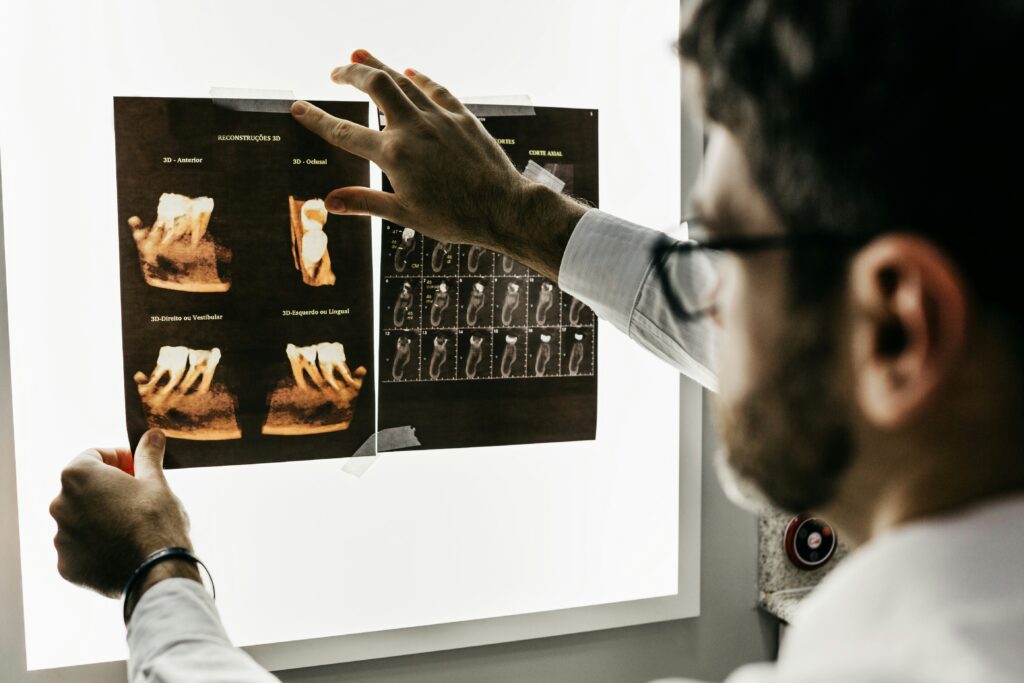
Digital tools are now part of many veneer workflows, but the hype around them sometimes misses the point. Patients often see digital smile design as a before-and-after preview. That is useful, but the deeper value is communication. Good digital planning allows the dentist, ceramist, and patient to work from the same visual language before any irreversible step is taken.
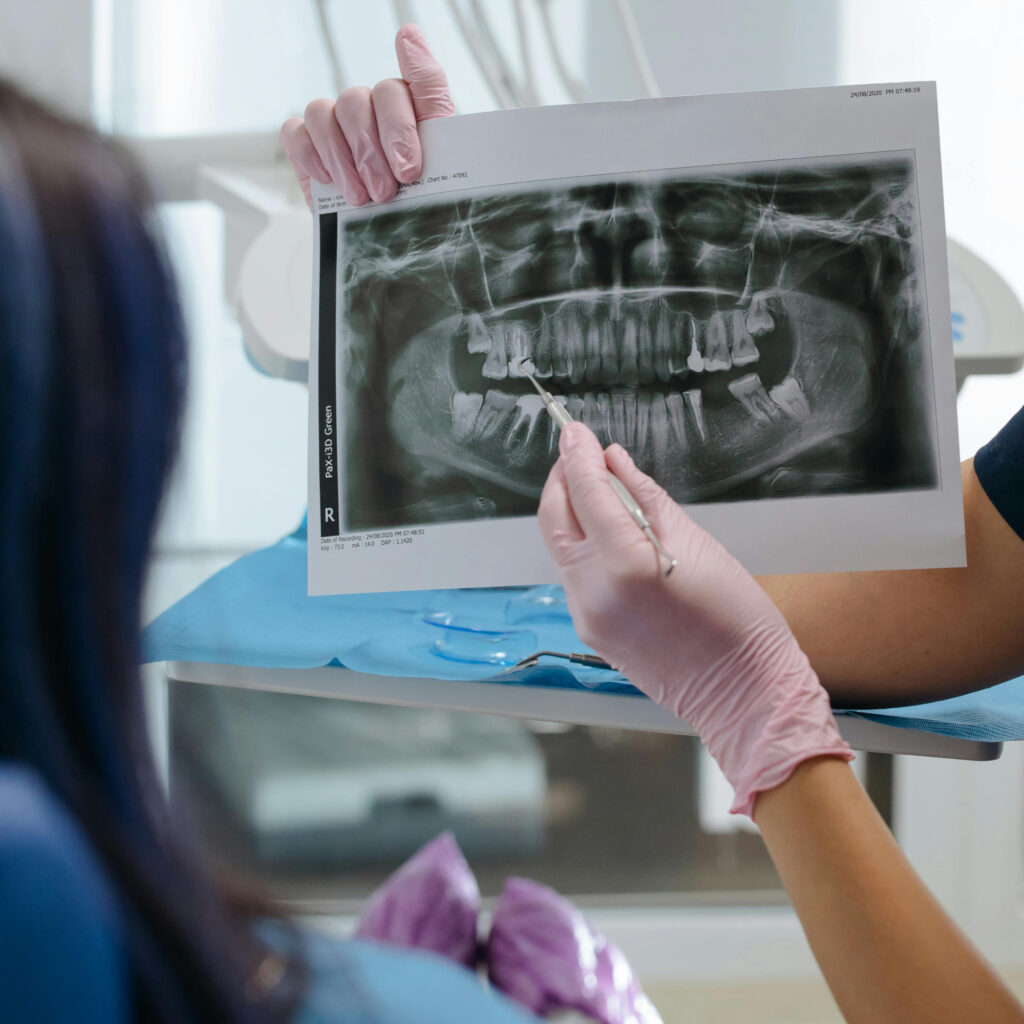
High-quality facial photos, video, and intraoral scans help map tooth display at rest, smile width, lip dynamics, and midline orientation. Those details matter because a smile is not a static row of teeth. It lives inside a moving face. A veneer design that looks ideal on a still image can feel wrong once the patient speaks or laughs if lip support and proportion were not considered carefully.
The better practices now combine digital planning with a physical mock-up, often called a trial smile or provisional preview. That step is one of the smartest developments in cosmetic dentistry because it lets patients test drive the proposed shape and length before final porcelain is made. They can speak with it, smile with it, and react to it in normal settings. Dentists also get valuable information from these previews. Sometimes the planned central incisors look elegant in a photo but feel too long in conversation. Sometimes a patient who asked for “natural” realizes they actually want a little more brightness and definition.
Digital planning works best when it stays grounded in reality. Software can propose idealized symmetry, but real mouths have constraints. The bite may limit how long the front teeth can be. Gum levels may need adjustment. Existing wear patterns may reveal grinding that changes material choice. The technology is excellent, but it is still a tool in the hands of a clinician.
Ceramic materials are stronger, finer, and more selective
Another major trend is the more thoughtful use of ceramic materials. Patients often hear material names like porcelain, feldspathic, lithium disilicate, or zirconia without much context. In practice, the decision is less about buzzwords and more about balancing strength, translucency, thickness, and the demands of the case.
Lithium disilicate has become a widely used choice for veneers because it offers a strong mix of beauty and durability, especially in conservative thicknesses. Feldspathic porcelain still has a place, particularly when a master https://traviskjcc208.bearsfanteamshop.com/how-many-veneers-do-you-need-for-a-smile-makeover ceramist wants the highest level of optical nuance in a case where strength demands are manageable. Zirconia can be useful in some restorative contexts, but for facially driven veneer work it is not always the first aesthetic choice because its optical behavior differs.
The important trend is not that one material has replaced all others. It is that material selection has become more case-specific. A patient with heavily discolored teeth may need a different ceramic strategy than someone with healthy enamel and mild spacing. A patient with parafunctional habits, such as clenching, may need design modifications, bite protection, or in some cases a reconsideration of whether veneers alone are the right treatment.
This is also where laboratory collaboration matters enormously. The best veneer cases are rarely a solo effort. A skilled ceramist can build depth, texture, and vitality that cannot be captured by shade tabs alone. Many of the most natural smiles now come from close back-and-forth between dentist and lab, supported by photographs taken in different lighting and with careful notes about the patient’s skin tone, age, facial shape, and preferences.
Texture and translucency are having a quiet moment
If you compare many contemporary veneer cases with those from ten or fifteen years ago, the difference often comes down to microdetails. Modern cosmetic dentistry is paying more attention to surface anatomy. That includes perikymata-like texture, line angles, edge position, and how the gloss level is finished.
These may sound like small matters, but they strongly influence whether a smile looks believable. Very smooth, very flat veneers can appear lifeless because they reflect light too evenly. Real teeth scatter and reflect light with more complexity. A well-crafted veneer often includes subtle texturing that is visible up close but not distracting. That surface character also helps teeth blend into the patient’s age and facial style. A 25-year-old and a 58-year-old rarely suit the exact same incisal effects.
Translucency is another area where trends have matured. Patients used to associate opaque whiteness with quality because it looked dramatic. Dentists now spend more time explaining that some translucency is what gives teeth life. The challenge is finding the right level. Too much translucency can let underlying darkness show through. Too little can make the restorations look dense and fake. This balancing act is where modern veneer artistry really shows.
Orthodontics and whitening are often part of the best veneer cases
One of the biggest changes in case planning is that veneers are less likely to be treated as the single answer to every cosmetic problem. Thoughtful cosmetic dentists increasingly combine treatments to reduce the amount of porcelain required and improve the final result.
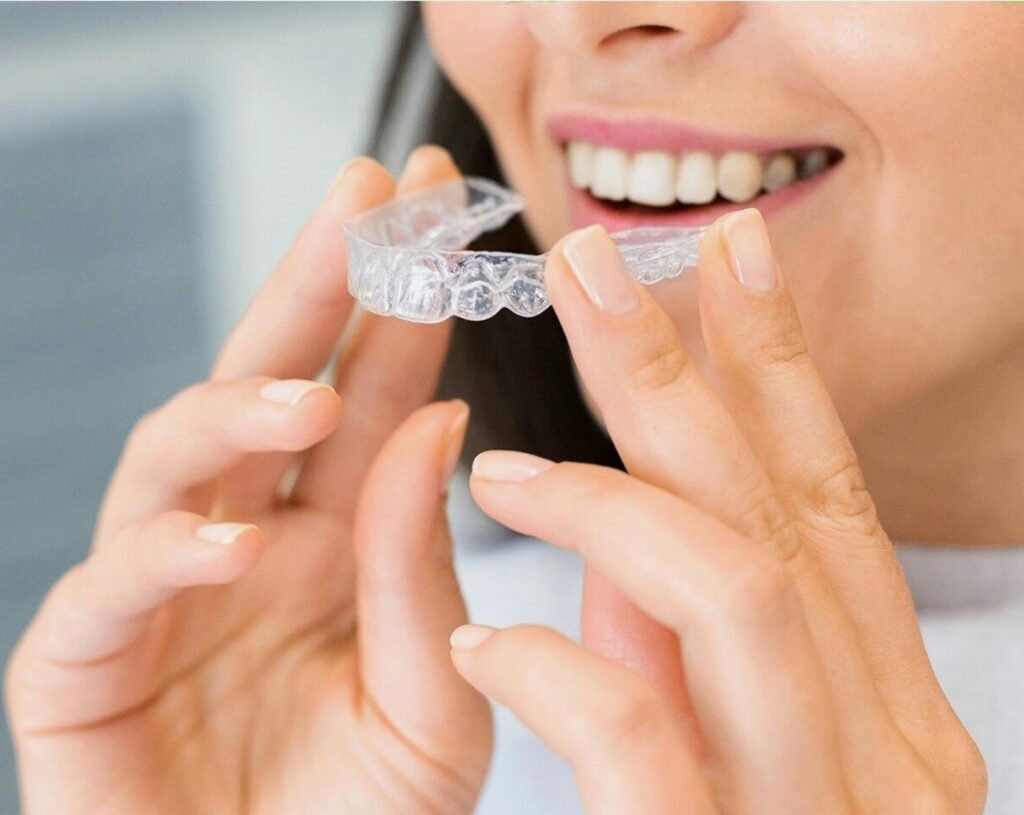
A patient with minor crowding might benefit from a short course of aligners before veneers. That can create better spacing and positioning, which means less enamel reduction and more conservative restorations. A patient with generally good tooth shape but uneven color may get whitening first, then need fewer veneers than originally expected. Someone with gummy asymmetry may benefit from soft tissue contouring so the restorations look balanced rather than forced.
That multidisciplinary mindset is healthy. Veneers remain powerful, but they are not always the first move. In many real-world cases, the most elegant result comes from doing a little orthodontics, a little whitening, maybe minor edge bonding, and then placing veneers only where they truly add value.
This approach also helps avoid one of the most common disappointments in cosmetic dentistry: over-treatment. If eight or ten veneers are placed when four would have accomplished the aesthetic goal, the smile may still look nice, but the biological cost is higher than necessary. Patients do not always realize this because they understandably focus on the visible result. The current trend among more conservative cosmetic clinicians is to ask a harder question: how little intervention can produce a result that still feels exceptional?
Gum framing is getting more attention
Beautiful veneers can still look off if the gum architecture around them is uneven. That is why modern smile design spends more time on soft tissue framing. Small differences in gum height can make central incisors look mismatched even when the porcelain itself is perfectly made.
Laser contouring or other periodontal reshaping techniques are now common adjuncts in selected cases. When done properly, minor gum correction can dramatically improve symmetry and tooth proportion. It is often one of the least appreciated parts of a smile makeover because patients tend to notice the teeth first, not the frame around them. Yet the frame is often what makes the teeth feel harmonious.
There is a trade-off here too. Not every asymmetry needs to be corrected. Faces are naturally asymmetric, and some smile irregularities are charming rather than problematic. The modern aesthetic is less rigid than it once was. The goal is not to erase all variation. It is to remove distractions while keeping the smile believable.
Social media changed expectations, and dentists are adjusting
There is no honest discussion of veneers trends without mentioning the influence of social media. Platforms built around appearance have made cosmetic dentistry more visible than ever. That visibility has benefits. Patients are more aware of treatment possibilities. They often arrive motivated and informed enough to ask good questions about maintenance, color stability, or longevity.
The downsides are just as real. Filters flatten nuance. Bright lighting can make opaque restorations look great on screen and oddly artificial in person. Some viral veneer transformations skip over the planning, the limitations, and the maintenance. Others use the term “veneers” loosely, when the actual treatment may have involved crowns, gum surgery, orthodontics, or significant bite changes.
Experienced clinicians now spend more chairside time recalibrating expectations. A good consultation often includes explaining why someone else’s smile cannot simply be copied onto a different face, lip shape, skin tone, and bite. It may also involve talking a patient out of a trend that would not age well. That is part of the job. Cosmetic dentistry is not just about saying yes to a request. It is about guiding the patient toward a result that will still make sense five or ten years later.
The patients who benefit most from veneers today
Veneers remain a strong option for a range of cosmetic concerns. The ideal candidates tend to have goals that align with what veneers do best: improve shape, proportion, color, and modest alignment issues while preserving as much tooth structure as possible.
The treatment is often especially effective for patients dealing with worn edges, small spaces, enamel defects, undersized lateral incisors, or staining that does not respond predictably to whitening. It can also be useful when teeth are generally healthy but visually inconsistent, such as after years of chipping, old bonding repairs, or uneven wear.
That said, good candidacy is not only about the front teeth. It depends on habits, bite forces, gum health, and expectations. Someone who clenches heavily, has active periodontal disease, or wants a result that ignores their facial proportions may not be ready for veneers, at least not immediately. Cosmetic dentistry works best when the foundation is stable.
Questions worth asking before moving forward
Patients tend to focus on shade and price first, but the quality of a veneer case depends on deeper decisions. The smartest consultations usually cover a handful of practical issues:
- How much enamel reduction is likely in this specific case?
- Will I see a mock-up or trial smile before the final veneers are made?
- What material is being recommended, and why does it suit my teeth and bite?
- How will gum levels, bite, and long-term maintenance be handled?
- If my goals could be met with whitening, bonding, or aligners first, would you recommend that instead?
These questions do not guarantee a perfect outcome, but they quickly reveal whether the treatment plan is thoughtful or overly sales-driven. A clinician who welcomes this conversation is usually planning carefully. A clinician who rushes past it may be focused more on the transaction than the dentistry.
Longevity is still tied to boring fundamentals
The most exciting trends in veneers involve digital planning and refined aesthetics, but long-term success still rests on fairly unglamorous basics. Case selection matters. Bonding technique matters. Bite design matters. Home care matters. Night guards matter for the right patient. None of that is new, but it remains decisive.
Patients often ask how long veneers last. There is no universal number because outcomes vary with prep design, material, oral habits, and maintenance. In well-executed cases, many veneers serve patients well for a decade or more, sometimes much longer. But “lasting” and “looking ideal forever” are not always the same thing. Margins can change, gum tissue can shift, and surrounding teeth can darken over time. A veneer may still be intact and functional while no longer matching the neighboring dentition perfectly.
That is another reason modern cosmetic dentistry is trending toward restraint. The less aggressive the intervention, the easier future maintenance tends to be. A conservative veneer case placed on healthy enamel is generally more forgiving over the long term than a heavily reduced case done primarily to chase a fleeting look.
Where the field seems to be heading
If the current direction holds, the future of veneers will probably be defined less by dramatic reinvention and more by refinement. Better scanning, improved photography, and stronger ceramics will continue to help. So will more integrated planning between restorative, orthodontic, and periodontal care. But the most meaningful trend is philosophical.
Cosmetic dentistry is moving toward smiles that are personalized rather than standardized. The best veneer cases now account for face shape, age, speech, lip mobility, skin tone, and the patient’s own history with their teeth. They respect enamel when possible. They use porcelain selectively. They avoid bulk. They build in character. They aim for beauty that survives close scrutiny, not just a quick photograph.
That evolution is good for patients and for the profession. Veneers are not losing relevance. If anything, they are becoming more sophisticated. What is new in modern cosmetic dentistry is not just better technology. It is better taste, better planning, and better restraint. When those three come together, veneers can still deliver one of the most transformative and satisfying treatments in dentistry, only now the result is more likely to look like a real person at their best.
Oaks Dental
Address: 5000 Parkway Calabasas Ste 308, Calabasas, CA 91302
Phone number: +18184312000
FAQ About Veneers
How much do veneers actually cost?
The cost of dental veneers typically ranges from $250 to $2,500 per tooth, with a full smile transformation averaging anywhere from $6,000 to $20,000 depending on the material you choose. Because veneers are classified as a elective cosmetic procedure, dental insurance almost never covers them.
What is the downside of having veneers?
The main downside of dental veneers is that the process is permanent and irreversible, as a dentist must shave off a thin layer of natural tooth enamel. Other major drawbacks include increased tooth sensitivity, high financial costs, and the need to replace them every 10 to 15 years.
What happens to the teeth under veneers?
When you get veneers, a dentist shaves off a thin layer of your natural tooth enamel (about 0.3 to 0.7 millimeters). The living tooth stays intact underneath, but losing this outer layer is permanent. The tooth relies on the veneer shell for lifelong protection and cannot be left bare.